Traditional
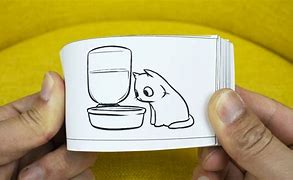
Traditional animation consists of two types, that of celluloid and hand-drawn animation. Celluloid or cel animation is where thin sheets of celluloid are painted with props and characters then placed on a background. After which the cels are photographed then moved slightly to be photographed again, this process is repeated several times over resulting in the illusion of movement. Over hundreds of celluloids are made for a couple seconds of animation thus a lot of repetition is used. This process was used up until the early 2000's with many cartoons such as spongebob using it. The biggest change to this would come with the invention of the computer where hand drawn images are scanned into the computer and layered overtop of each other to give the illusion of movement. The average animation is 24 frames per second but most animation is animated every other frame making the average 12 frames. This causes hand-drawn, or 2D animation, to be more efficient, less costly, and less time comsuming, thus making it prefered over cel animation. With increased technology animators have been able to do what is called rigging to speed up the process of animation; rigging is when the animator makes a 'skeleton' of the character and tells a computer which part to animate.